


UL 325 sets safety requirements that shape how automatic garage door openers operate, respond, and reduce certain hazards.
This guide explains how the requirements apply to garage door openers, what they mean in practice, and what can be safely checked without bypassing or modifying the system.
What Is UL 325?
UL 325, formally ANSI/CAN/UL 325, establishes safety requirements for electric door, gate, and similar operators. For residential garage door openers, the standard establishes requirements intended to address hazards associated with the operator, including entrapment, injury, electric shock, and fire.
UL 325 is a safety standard, not a federal statute. However, federal regulations for automatic residential garage door operators incorporate specific UL 325 entrapment-protection requirements.
How UL 325 Safety Features Appear in a Modern Garage
Many UL 325 requirements are built into parts of the opener system that are already visible or used. The table below shows where the main safety features appear and what each one does.
| Safety system | What it looks like on a modern garage door opener | What it does |
| Inherent entrapment protection | Built into the opener | Detects abnormal resistance and reverses the door under required conditions |
| Photoelectric protection | Safety sensors near the bottom of the doorway, usually mounted on or near the tracks | Detects an obstruction across the opening before contact |
| Manual release | Red emergency-release cord or handle connected to the opener’s release mechanism | Disconnects the door from the opener so it can be moved manually |
| Wall control | Wall-mounted button inside the garage | Provides direct control with the door in view, and may also be used for constant-pressure closing |
| Unattended-operation warning | Visual and audible warning from the opener or control system | Warns people nearby before certain remote or automatic closing cycles |
| Electrical and fire protection | Built into the opener | Helps reduce electrical-shock, overheating, and fire hazards |
Entrapment Protection
Entrapment protection is designed to reduce the risk of a closing garage door trapping or injuring a person, and sets requirements for how the opener responds to certain obstructions. Residential garage door openers use more than one method of protection:
Inherent Entrapment Protection
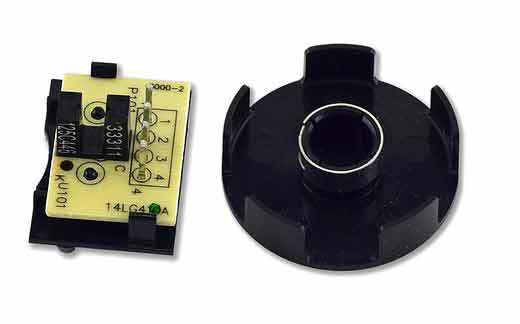
Inherent protection is built into the garage door opener. During closing, the operator monitors the door’s movement and must respond when it detects an obstruction under the conditions specified by the standard. For a typical vertically moving garage door, that response includes stopping and reversing the door.
External Entrapment Protection
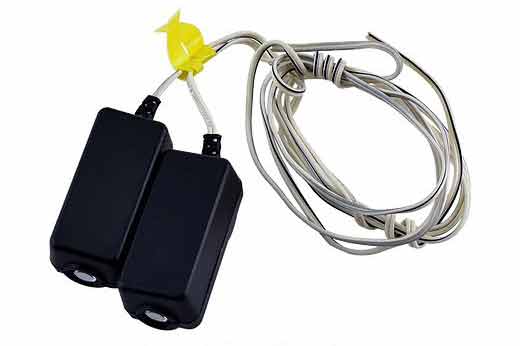
External entrapment protection uses a separate device to detect an obstruction. Photoelectric safety sensors are the most familiar example. The sensors are positioned low in the opening, with the beam no higher than six inches above the garage floor. If the beam is blocked before closing, the opener will not close normally. If the beam is interrupted while the door is moving down, the door reverses and returns to the fully open position.
The opener also checks that the safety sensor system is present and working. Photoelectric sensors that require alignment must provide a way to show proper alignment and operation, often with a small status light.
If the photoelectric sensor system is blocked, misaligned, or malfunctioning, some openers allow the door to close while the wall button is held down. With this constant-pressure operation, the person closing the door remains by the control with the doorway in view. If the button is released before the door is fully closed, the door reverses and opens.
The two systems address the same hazard in different ways: inherent protection reacts to resistance encountered by the moving garage door, while photoelectric protection can detect an obstruction before contact occurs.
Manual Release
Residential garage door openers include a manual release feature, usually operated by a red emergency release cord, that allows the door to be disconnected from the opener and moved manually when necessary, such as during a power failure or opener malfunction.
The release should also be used with caution. If the door is open, crooked, unusually heavy, has loose cables, or may have a broken spring, disconnecting it from the opener can cause the door to move suddenly or fall.
Wall Controls
Garage door opener installation instructions require the wall control to be within sight of the door, away from moving parts, and mounted at least five feet above the floor or any nearby surface a person could stand on, helping keep the control out of reach of small children.
Unattended Operation
As connected controls became more common, garage door openers could be operated without someone standing nearby or watching the opening. Unattended operation includes closing initiated through smartphone apps, internet-connected controls, timers, or other automatic closing features when no one is present to monitor the doorway.
Since the doorway may not be visible when closing is initiated, UL 325 includes additional safety requirements for unattended operation, including visual and audible warnings before unattended closing movement begins.
These warnings do not apply to manually operated remotes, keypads, or wall buttons, as they are direct user controls, not unattended-operation devices.
Fire and Electrical Safety
UL 325 also addresses fire and electric-shock hazards associated with electric garage door operators. These requirements apply to the operator’s electrical components, wiring, construction, and testing. They are intended to reduce risks from issues such as electrical faults, overheating, accessible energized components, and abnormal operation within the opener.
How to Know If Your Garage Door Opener Meets UL 325 Requirements
The first place to check is the opener itself. Look for the manufacturer label, model number, manufacturing date, and a product-certification mark. A certification mark can help identify the organization that evaluated the product and the safety standard that applies.
If the opener carries a UL Mark, its certification information can also be checked through UL Product iQ using details such as the manufacturer, product category, or certification file number. Manufacturer documentation may also identify the applicable UL 325 certification.
How to Check Garage Door Opener Safety Features
Several UL 325-related safety features can be checked without opening, bypassing, or modifying the garage door opener.
- Test the photoelectric sensors. With the door open, start closing the door and pass a soft object, such as a paper towel roll, through the sensor beam. The door should reverse and return to the fully open position.
- Test the contact-reversal system. Place a 1½-inch-high object, such as a 2×4 laid flat, on the floor in the door’s path, then close the door. When the bottom of the door contacts the object, the opener should reverse. This test should be performed once a month.
- Locate the manual release. Confirm that it is present, accessible, and functional. If possible, pull the release handle only while the door is closed. Use caution if the door is open, as weak or broken springs can allow it to slam shut.
- Check unattended-operation warnings. If the opener can close through an app, timer, or another unattended feature, confirm that the required visual and audible warnings occur before closing movement begins.
If the opener fails a safety test, refer to the manufacturer’s instructions or have the opener evaluated by a qualified garage door repair professional.
How UL 325 Evolved
As automatic garage door openers became more common, entrapment incidents led to stronger safety requirements. Since its first publication in April 1973, UL 325 has been updated to address changing technology and safety concerns. The current Seventh Edition was last revised on September 15, 2025.
- 1982–1996: The U.S. Consumer Product Safety Commission documented 62 deaths and 49 injuries involving children under 15 associated with automatic garage doors and garage door openers between March 1982 and November 1996.
- 1990–1991: The Consumer Product Safety Improvement Act of 1990 required automatic residential garage door openers manufactured on or after January 1, 1991, to comply with specified UL 325 entrapment-protection requirements. The CPSC then established the federal garage door operator standard at 16 CFR Part 1211.
- 1993: Additional entrapment-protection requirements took effect for newly manufactured residential garage door openers. In addition to the opener’s inherent reversing system, compliant openers had to feature a second method of entrapment protection, commonly through a photoelectric sensor or edge sensor.
- Later revisions: UL 325 continued to evolve as garage door opener technology changed. Revisions have addressed newer entrapment-protection systems, testing methods, and controls that allow garage doors to close without someone present at the opening.
Changes to UL 325’s residential garage door opener entrapment-protection provisions can also be incorporated into the federal requirements.
What About Older Garage Door Openers?
Older garage door openers can lack safety features required on newer models. Units manufactured before January 1, 1991, predate the federal entrapment-protection requirements that took effect that year, while those made before January 1, 1993, may also lack the additional protection introduced at that time.
The manufacturing date is therefore a useful starting point. The opener should also be checked to see which safety features it has and whether they are working properly.
CPSC recommends replacing an automatic opener without a functioning safety-reversing feature with one that meets the federal safety standard. Safety sensors cannot be added to an older opener that was not designed to support them.
California Battery Backup Is Separate from UL 325
California requires battery backup for applicable residential garage door openers under Senate Bill 969. This state-law mandate is separate from UL 325. For details on when the law applies, see Champion’s full guide to California garage door opener battery-backup requirements.


We never inspected our garage doors and they are 10+ year old. Maybe I should have a professional take a look at it, making sure that a garage door is safe and up to all safety regulations!
I need to have my garage door repaired ASAP. Having a professional taking care of the issue for me would differently be beneficial! They would be able to ensure that it’s fixed up without the risk of things breaking or causing damage to my property.