



Expected Cost in Orange County
$150–$400+ for common roller repairs.

Availability
24/7, same-day service available.

Duration
30–90 minutes for most standard roller replacements.

Repair or Replacement
We check the roller and hardware first, then recommend what’s needed.

Warranty
Parts and labor covered. Coverage varies by service and work performed.

Clarity
We explain what’s needed, price, and warranty before work starts.
Garage Door Roller Repair in Orange County
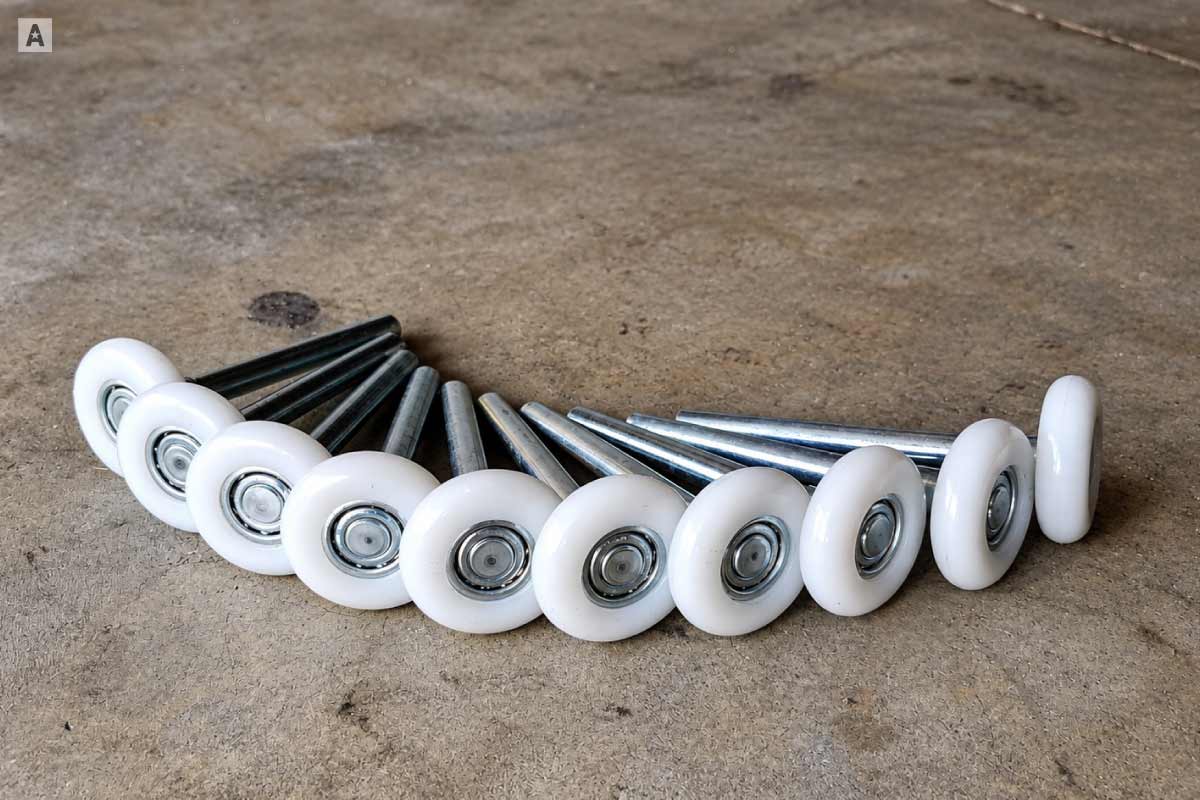
Champion Garage Door provides roller repair and replacement in Orange County and select South Los Angeles communities. Our certified technicians service standard, heavy-duty, custom, and specialty garage doors, including different roller, hinge, fixture, and track configurations. We carry various roller sizes and types, as well as related parts, on our service vehicles, helping us complete roller replacements in one visit.
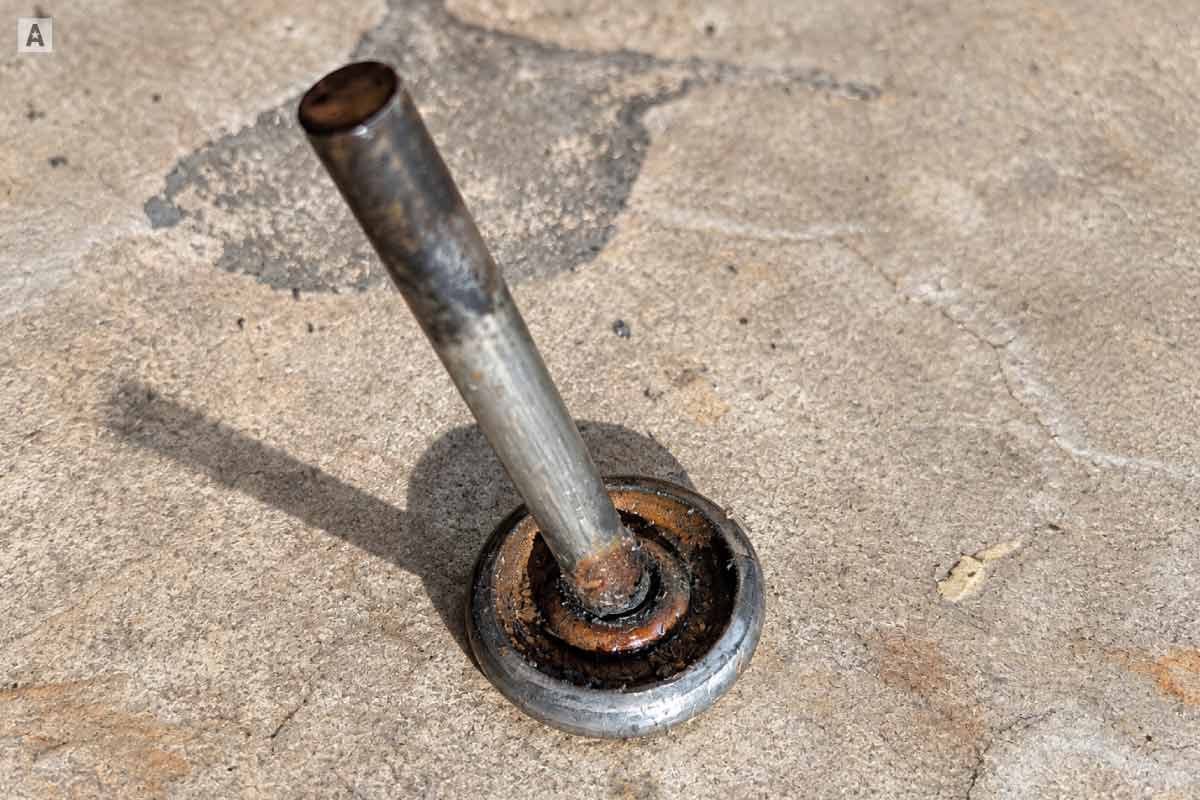
A worn roller bearing, cracked wheel, bent stem, loose hinge, or track problem can create similar symptoms. The issue is not always obvious. We consider the possible causes and rule them out one at a time until the source is clear. Before work starts, we explain what needs to be repaired or replaced, the price, and the warranty that applies.
Signs Your Garage Door Rollers Need Service
When roller problems start, the door usually gives you a few clues first. Watch for any of the following issues:
- Scraping, bumping, binding, or hesitation
- Clicking, grinding, or squealing sounds
- A roller that wobbles, tilts, or does not turn freely
- A cracked, chipped, or visibly worn roller wheel
- Jerky or uneven movement as the door opens and closes
- A roller that repeatedly comes out of the track
A single bump or squeak can happen. Pay attention if it happens again. If the noise, binding, or other symptom keeps coming back, have the rollers checked.
If a roller has come out of the track, the door is crooked, or a cable looks loose, stop operating the door and leave it where it is. Tell us the door’s position when you request service.
Roller Problems vs. Other Causes
Where the problem happens, when it happens, how many rollers are affected, and their condition can point us in different directions.
| What You Notice | What It May Point To | Why It Matters |
| Only one roller is acting up | The roller itself or the hardware supporting it | The problem may be limited to one roller or one area of hardware. |
| The door catches at the same spot every time | Track or hardware in that area | A new roller may still catch if the issue in that part of the track remains. |
| A roller changes position as it moves | Fit, mounting, alignment, or wear at the hinge, fixture, stem, or track | The roller may be reacting to another part of the system, with the source of the problem elsewhere. |
| Several rollers become noisy or rough in the same area | One shared condition affecting several rollers | The source may be outside the rollers themselves. |
| The problem comes and goes | Door position, load on the roller, or another changing condition | The problem may only appear at certain points in the door’s travel. |
| A roller is noisy or rough without obvious damage | Lubrication condition on rollers that require lubrication | Noise or rough movement does not automatically mean the roller needs replacement. |
These patterns help separate roller wear from a problem elsewhere in the garage door.
What Your Roller Repair Service Includes
There’s a difference between replacing a roller and fixing a roller problem. Our garage door roller service starts by figuring out which one you’re dealing with before parts start coming off the door.
- Watch the garage door and rollers move: we operate the door and note where the movement changes and how the rollers perform.
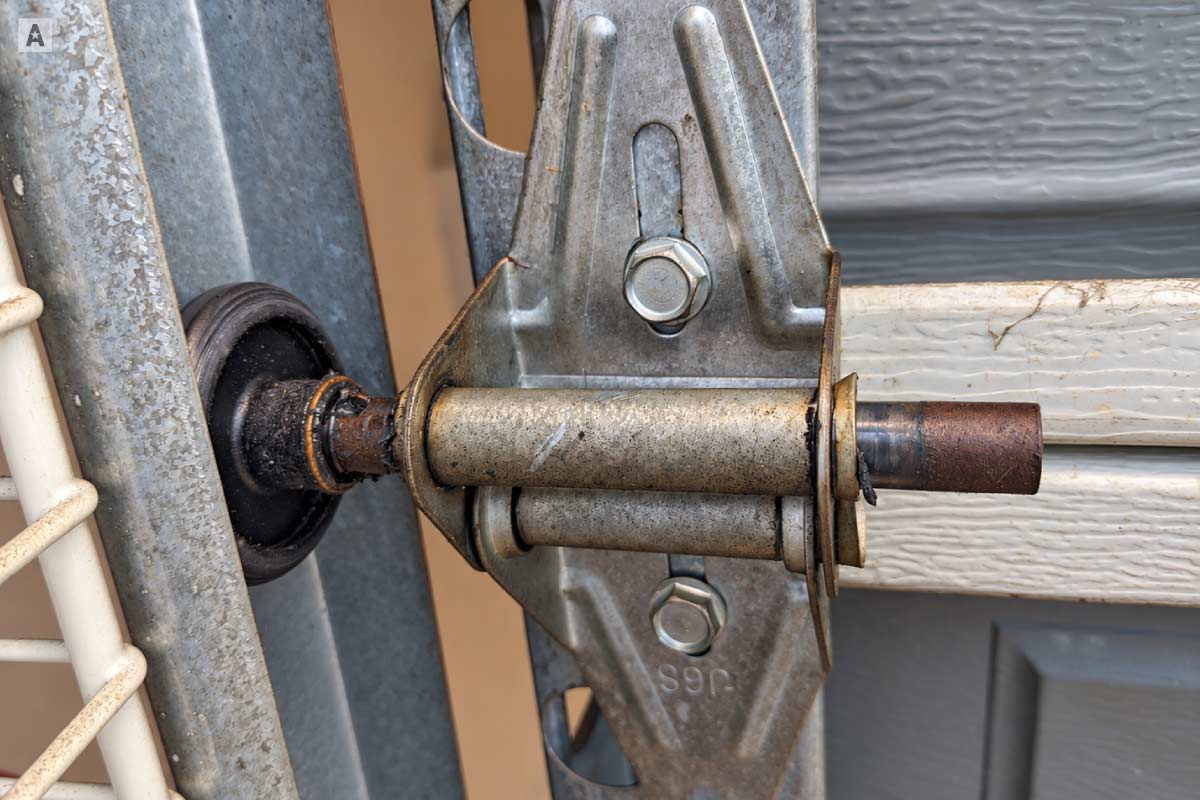
- Check the roller itself: the wheel, bearing or bushing, stem, and overall condition are evaluated for wear, damage, looseness, or restricted movement.
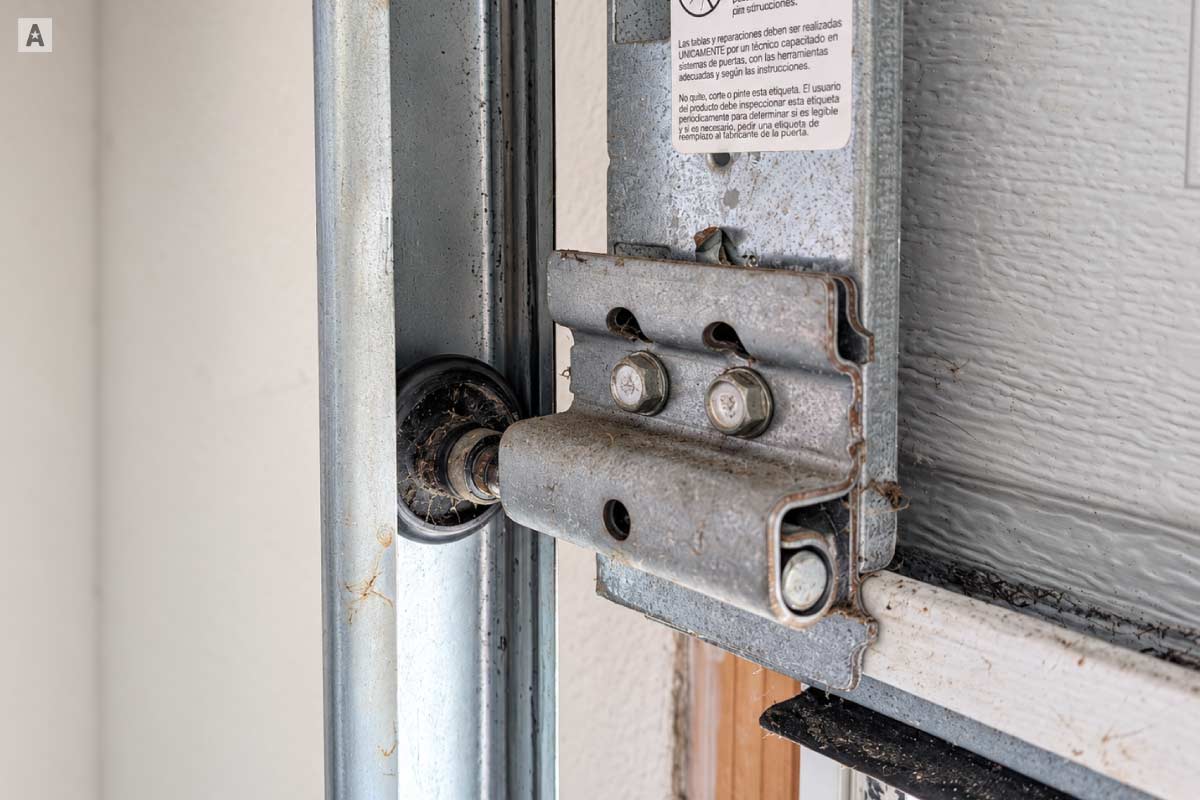
- Check the roller’s surrounding hardware: hinges, roller fixtures, fasteners, and mounting points are checked for movement, damage, or wear that can affect the roller’s position.
- Follow the roller path: we look for damaged, bent, loose, or misaligned areas of track that may interfere with normal travel.
- Show you what’s causing the problem: we explain exactly what’s going on, what can be done, and what it will cost.
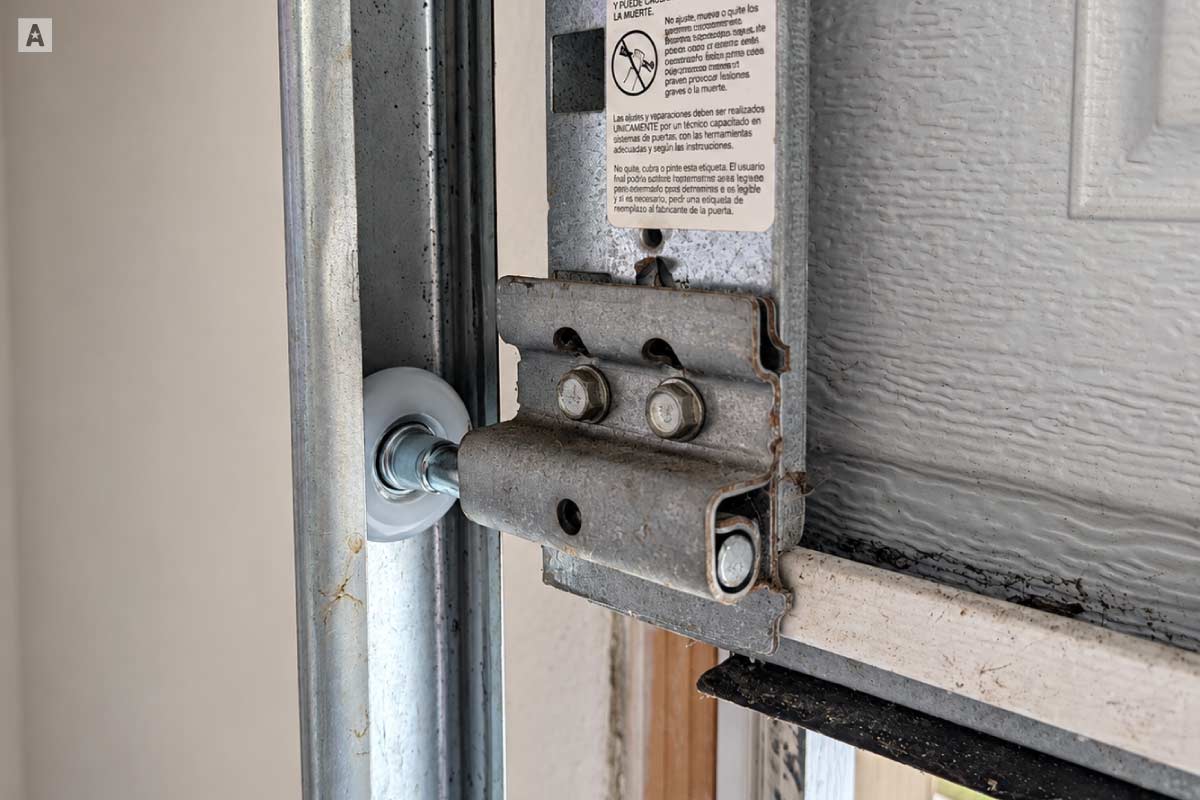
- Complete the repair: we carry out the work and replace rollers or related hardware when needed.
- Final testing: the garage door is operated to confirm proper roller performance and recheck the original symptom.
What Happens During Roller Service
The process starts with what you noticed and ends by rechecking the same condition after the repair.
Schedule Roller Service
Call or request service and tell us what changed, where it happens, and whether the problem repeats.
Establish the Problem
The technician starts with the condition you reported, then checks the roller and surrounding hardware before deciding where the problem is coming from.
Set the Repair Scope
We set out what needs to be repaired or replaced, what that work includes, the price, and the warranty before we start.
Repair and Recheck
We complete the work the same visit, then operate the door and compare it with the original condition. We review what was repaired or replaced and any remaining concerns.
How Many Rollers Should You Replace
Generally speaking, garage door rollers have a calculated rating life. The rollers on the same door do not necessarily reach the end of that life at exactly the same time. Their condition helps determine whether the repair involves one roller or more.
- One roller may be enough: if the damage is isolated and the other rollers are turning freely, sitting correctly, and showing no similar wear, replacing that roller may be all the door needs.
- Several rollers may need attention: if multiple rollers are loose, rough, cracked, or showing the same type of wear, comparable wear across the set may indicate they are at a similar stage of their rating life. Replacing only the worst ones may fix only part of the problem.
- The roller may not need replacement at all: the wheel and stem may still be in good condition, but a hinge, fixture, fastener, or track problem may be affecting roller performance.
- Sometimes the repair is more involved: if improper mounting, a worn hinge, damaged fixture, or another defective part is affecting the roller, that condition may need to be corrected along with any roller replacement.
If several rollers are showing comparable wear, replacing them one at a time can lead to repeated service calls. Therefore, replacing the roller set in one visit may cost less than returning for additional roller replacements later.
How We Choose the Roller for Your Repair
A replacement roller has to fit the door hardware and suit the conditions it operates in. We establish those requirements first, then rule out any roller that does not meet them. In practice, that means checking:
| What We Check | What It Means for the Repair |
| Wheel and track fit | The roller diameter has to work with the track and travel through it correctly. |
| Stem size and configuration | The stem has to fit the hinge or roller fixture and hold the roller in the correct position. A longer stem does not by itself mean a higher load or cycle rating. |
| Bearing design | The bearing construction and protection have to suit the application and the level of protection required. |
| Load and cycle rating | The roller has to be rated for the garage door and how it operates. Bearing count does not establish either rating. |
| Moisture, corrosion, and debris | We may use capped or sealed bearings and corrosion-resistant stems along the coast. Where dirt or debris collects around the tracks, the bearing may need more protection from contamination. |
| Use and noise | A higher-cycle precision-bearing roller may be better suited for heavy use. For less noise, we usually use nylon instead of steel. |
| The garage door | Door weight, height, track setup, and hardware establish what the roller has to fit, carry, and handle in operation. |
If more than one roller meets the requirements, we compare service life, noise, corrosion protection, and cost.
Garage Door Roller Repair Cost
Garage door roller replacement in Orange County can range from $150 to $400+. The ranges below cover common roller repairs on standard steel garage doors.
| Roller Service | Typical Range | What Can Change the Price |
| Limited roller replacement | $150–$250+ | Number of rollers, roller specification, and access |
| Full roller set replacement | $200–$400+ | Number of rollers, load/cycle rating, bearing design, and door configuration |
| Rollers with related hardware repair | $250–$500+ | Hinges, roller fixtures, fasteners, track work, or other damaged hardware |
Costs can differ for heavy-duty, wood, and other specialty garage doors, depending on the parts and labor required.
The Work Behind the Door
Between the first look and the final test is the part most people never see. Here’s what gets the door where it should be.
Ready to Schedule Roller Service?
Call 714-274-7655 to schedule same-day service or send a request using the form.
Request Service
Tell us what’s happening and how to reach you.


