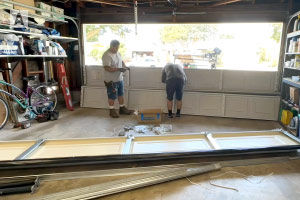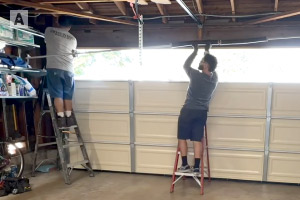

Professional Garage Door Repair Services
Champion Garage Door provides professional, certified garage door repair for residential systems, serving homes across Orange County and South Los Angeles. Our service covers common mechanical issues such as broken springs, loose or damaged cables, opener failures, and related hardware problems that affect door movement and control.
When a garage door is not operating correctly, the issue often involves components under high tension or significant load. Springs, cables, and moving hardware must work together efficiently for the door to function as intended. Improper handling or temporary fixes can increase stress on the system and lead to additional damage.
Each service visit includes a complete structural and mechanical inspection to identify the cause of the problem and determine the correct repair approach.


What Garage Door Repair Typically Includes
Most repairs involve adjusting, repairing, or replacing specific components rather than replacing the entire door. Depending on the condition of the system, repair work may include:
- Correcting balance issues caused by worn or broken springs
- Resetting doors that came off-track, shifted, or crashed
- Replacing worn rollers, hinges, bearings, brackets, or track sections
- Repairing opener and related control system problems
- Addressing cable wear, slippage on drums, looseness, or uneven tension
- Aligning tracks, mounting hardware, and verifying smooth door travel
Every garage door has its own specifications, including weight, height, track radius, drum type, and spring size. Repair work is based on the door’s configuration and usage patterns rather than a one-size-fits-all approach.
Troubleshooting Your Issue
You don’t need to be an expert to know something is wrong with your garage door. But understanding the symptoms helps us fix it faster. Identify your issue below to see the likely cause.
Loud Bang or Gunshot Sound, Door Won’t Open
- Likely cause: Broken spring.
- What is happening: The spring snapped and released its stored tension, leaving the door extremely heavy and difficult to lift. The door may lift only a few inches, part way, or not open at all.
- Service needed: Garage door spring repair, including proper spring replacement and recalibration of the counterbalance system.
Motor Hums, Door Won’t Move
- Likely cause: Stripped gears, broken belt or chain, sprocket failure, or internal drive wear.
- What is happening: The motor runs, but internal components are worn, broken, or sheared, so the opener cannot move the door.
- Service needed: Garage door opener repair to address worn gears, belts, chains, or drive components.
Door Closes Part Way, Then Reverses
- Likely cause: Misaligned or faulty safety sensors.
- What’s happening: The safety beam is interrupted or sensors are out of alignment. Wiring damage or sensor failure can also trigger door reversal.
- Service needed: Sensor alignment, lens cleaning, wiring repair, or replacement of faulty photo-eyes.
Grinding, Squeaking, or Popping Noises
- Likely cause: Worn rollers, dry hinges, bearing wear, opener sprocket wear, track misalignment, or damaged door sections.
- What’s happening: Friction or binding causes components to strain under load during operation.
- Service needed: Maintenance service, targeted hardware repair, or component replacement based on inspection findings.
Door is Crooked, Jammed, or Off-Track
- Likely cause: Snapped cable, cable slipped off the drum, or a roller that came out of the track.
- What’s happening: One side of the door loses support, causing the door to tilt, bind, or fall out of the track.
- Service needed: Off-track garage door repair, including door rehanging, cable reset, roller service, and track alignment.
Door Won’t Open or Close
- Likely cause: General, electrical, or mechanical system failure.
- What’s happening: The garage door or opener will not work due to an underlying issue that may not be immediately visible.
- Service needed: Full on-site system troubleshooting to identify and correct the problem. If the condition presents a safety risk, emergency garage door repair may be required.
Not sure what’s wrong? That’s common. If you can’t identify the issue, a technician can inspect your garage door, explain what’s happening, and outline the appropriate repair approach based on the condition of your overhead door system.
What To Do Right Now
These quick steps help prevent damage and keep things safe:
- If the door is crooked, off-track, or a spring is broken, stop using the door.
- Keep people and pets away from the door path.
- If you must secure the garage, ask about safe temporary options during scheduling.
- Don’t loosen bottom brackets or cable hardware; those areas are under high tension.
The next step is to have the door inspected by a licensed local garage door repair company.
What We Inspect During a Garage Door Repair
Effective repair depends on understanding how each component works together. Each service visit includes a system-level inspection designed to identify both the immediate issue and contributing factors.
Typical inspection points include:
- Spring condition and correct sizing for the door’s weight
- Cable condition, drum alignment, and attachment points
- Roller wear, bearing performance, and hinge integrity
- Track alignment, fasteners, and mounting stability
- Door balance and manual lift performance
- Opener force settings, travel limits, and safety response
- Photo-eye safety sensors and related wiring
Our approach helps reduce repeat issues and ensures the door operates correctly after repairs are completed.
What You Can Expect During Service
- Punctual scheduling: We work within the scheduled window and communicate if anything changes.
- Clean work area: Surrounding areas are protected, and old parts and debris are removed before leaving.
- Qualified technicians: Service is performed by trained, certified technicians, not third-party subcontractors.
Transparent Repair Process
We keep the repair process clear so you know what to expect at each step.
- Assessment: We inspect the full system to identify the cause of the issue, not just the visible symptom.
- Upfront Pricing: You’re presented with repair options and an accurate estimate before any work begins.
- Precision Repair: Repairs are completed during the same visit when possible. If additional issues are found, options are explained before proceeding.
- Final Check: The door is tested for balance, travel, and proper operation based on manufacturer specifications.
To help explain pricing differences between repairs, the cost factors are outlined below.
Understanding Garage Door Repair Costs
Repair costs vary because every garage, door system, and repair scenario is different. Estimates are based on several key factors:
- Scope of Work: Complex repairs or limited access, such as low-headroom garages, often require additional time, labor, and specialized tools.
- Extent of Damage: Issues like off-track doors can involve hidden problems, including bent brackets, misalignment, frayed door cables, or damaged hardware, which are often identified during on-site inspection.
- Part Specifications: Higher-cycle springs, nylon rollers, and heavy-duty components typically cost more than basic hardware but offer longer service life.
- Door and Opener Model: Manufacturer differences, smart features, and custom or oversized doors can affect part and labor pricing. Older systems may require specialty components.
Every estimate is explained clearly before work begins, and repairs proceed only after approval.
Repair or Replacement: How to Decide
Garage door repair is often the practical choice when the door structure is intact and replacement parts are still available. Repair is also commonly chosen when urgency to get the door operational outweighs the waiting time required for door replacement.
Replacement may be worth considering if:
- The door has significant panel or structural damage
- Hardware failures are recurring and affecting multiple components
- Parts are no longer compatible or supported
- Repair costs approach the value of a newer system
- The door’s overall condition makes ongoing repairs likely
The goal is always to help you make a practical, informed decision based on safety and long-term performance.
When to Schedule Professional Garage Door Repair
If your garage door feels unusually heavy, moves unevenly, makes unusual noises, or stops responding as expected, a professional inspection is recommended. Continuing to operate a damaged door can place added stress on springs, cables, and openers, increasing the likelihood of additional mechanical failure.
Scheduling repair early helps reduce strain on the system, limit secondary damage, and maintain safe, consistent door operation.
Schedule a Garage Door Inspection
If you’re experiencing any of the issues above or aren’t sure what’s causing the problem, scheduling an inspection is the next step. A technician can evaluate the condition of your garage door system, explain the findings, and outline appropriate repair options based on your situation.
You can schedule a service call or discuss repair options through our contact page.