



Garage Door Spring Repair in Orange County
Champion Garage Door Repair provides garage door spring repair and replacement in Orange County and select South Los Angeles communities. We replace broken torsion and extension springs on garage doors of all makes and models, including standard, low-headroom, rear-mounted, and enclosed spring systems.
Our certified in-house technicians arrive with a range of spring types and sizes and check the garage door system to see what spring it needs. Our spring repair service is quick, efficient, competitively priced, and quoted upfront.
Broken Spring? What to Look For and What to Do Now
A broken spring is sometimes obvious. Other times, less so. Signs to look for include:
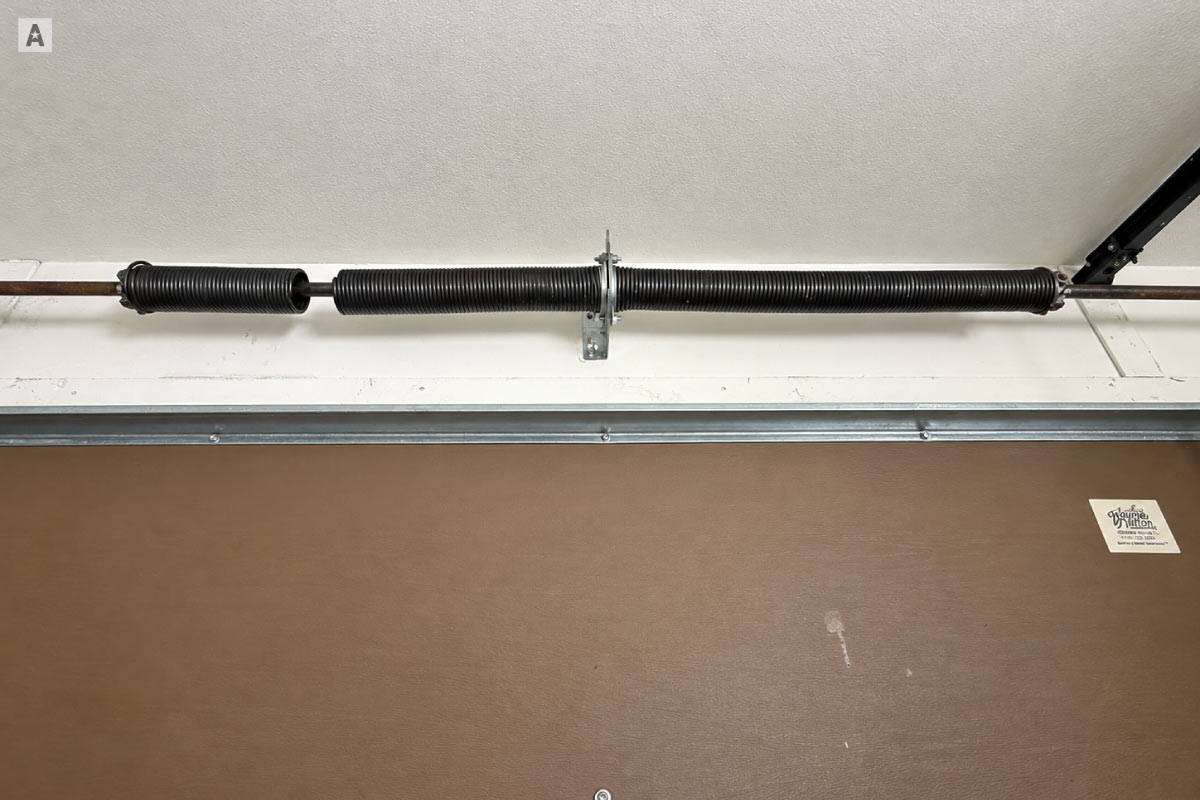
- A visible gap in the torsion spring where the coil has separated. Enclosed spring systems can hide the break inside a tube.
- A loud bang from the garage followed by a door that no longer operates normally.
- A door that suddenly becomes unusually heavy or difficult to move.
- An opener that lifts the door only a short distance before stopping.
- A crooked door or loose cables, which can involve the spring system or related hardware.
Not every one of these signs points to a broken spring. But when the spring is broken, it answers one question and immediately raises another: what do you do now?
- If the garage door is closed, leave it closed and stop using the opener.
- If the door is open, partly open, crooked, or the cables are loose, keep people and vehicles clear of the opening. Do not pull the emergency-release cord or try to lift, lower, or straighten the door.
- If a vehicle is trapped inside, call for emergency spring repair or plan on another way to get around.
When you request service, tell us whether the door is open, closed, or stuck partway, whether a vehicle is trapped, and anything unusual you noticed. That helps us understand the situation before we get there.
What Your Spring Repair Service Includes
The spring is only one part of an entire system that has to work together. Before installing the replacement, we check the surrounding hardware and how everything is set up.
- We Figure Out What the Door Needs: We determine the spring type and specifications the garage door requires.
- We Check the Parts Around It: We check the cables, drums, bearings, brackets, and torsion shaft for wear or damage.
- We Go Over the Options: If there is more than one suitable spring, we explain the difference in performance and cost.
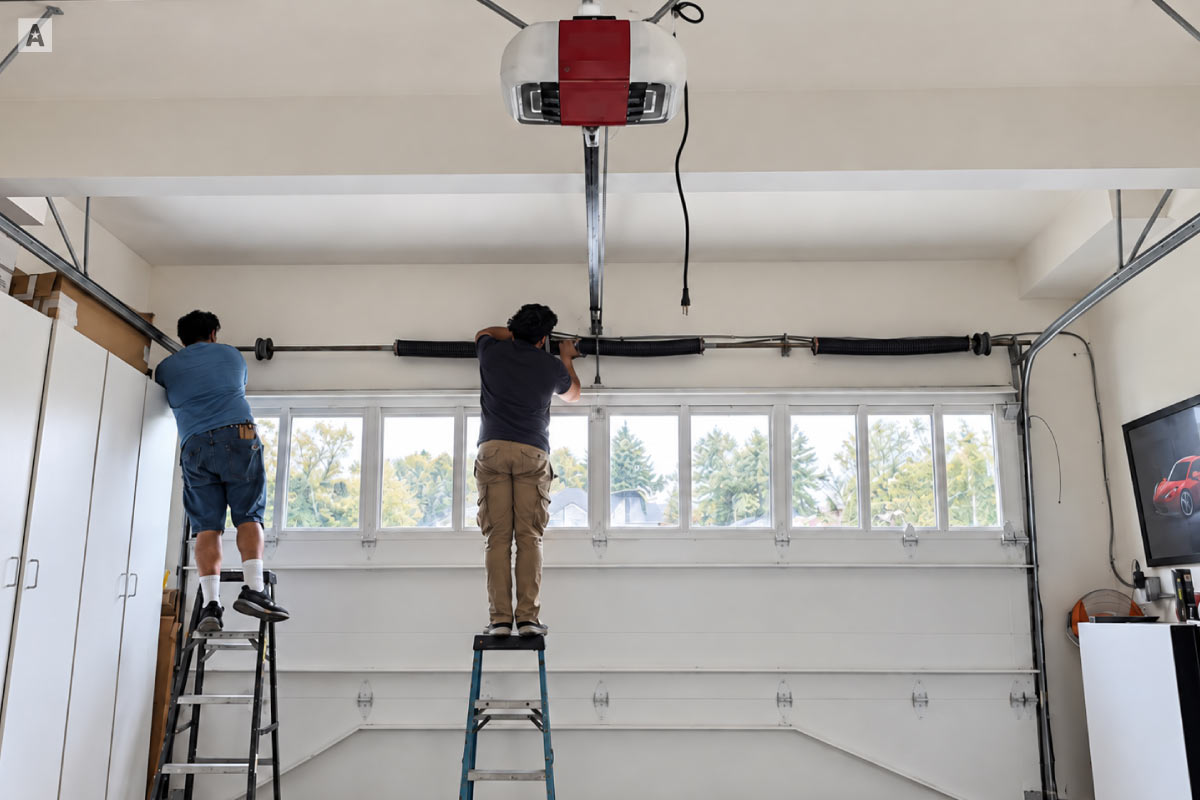
- Safe Work Practices: Springs store a lot of energy and can be dangerous if not handled with care. Our technicians take precautions while working with the springs and keep the work area controlled to protect themselves, the garage door, and people or property nearby.
- We Install the Replacement: The broken spring or spring set is removed and the replacement spring is installed.
- We Check How the Door Moves: Once the new spring is in place, we test the garage door and check the balance.
- We Test the Opener: If the garage door has an opener, we check its operation after the spring replacement.
Our Service, Start to Finish
A simple look at what happens from scheduling service to the final check.
Tell Us What’s Happening
Call or request service and tell us what the garage door is doing.
On-Site Evaluation
The technician checks the garage door, opener, and related components.
Review & Approve
We go over the work, price, and warranty before moving forward.
Repair & Final Testing
Once approved, we complete the repair and test the door before we leave.
Spring Systems We Repair
A broken spring does not always look the same from one door to the next. Some springs are easy to see above the opening, while others may be hidden inside a tube. However it’s set up, we work on it.
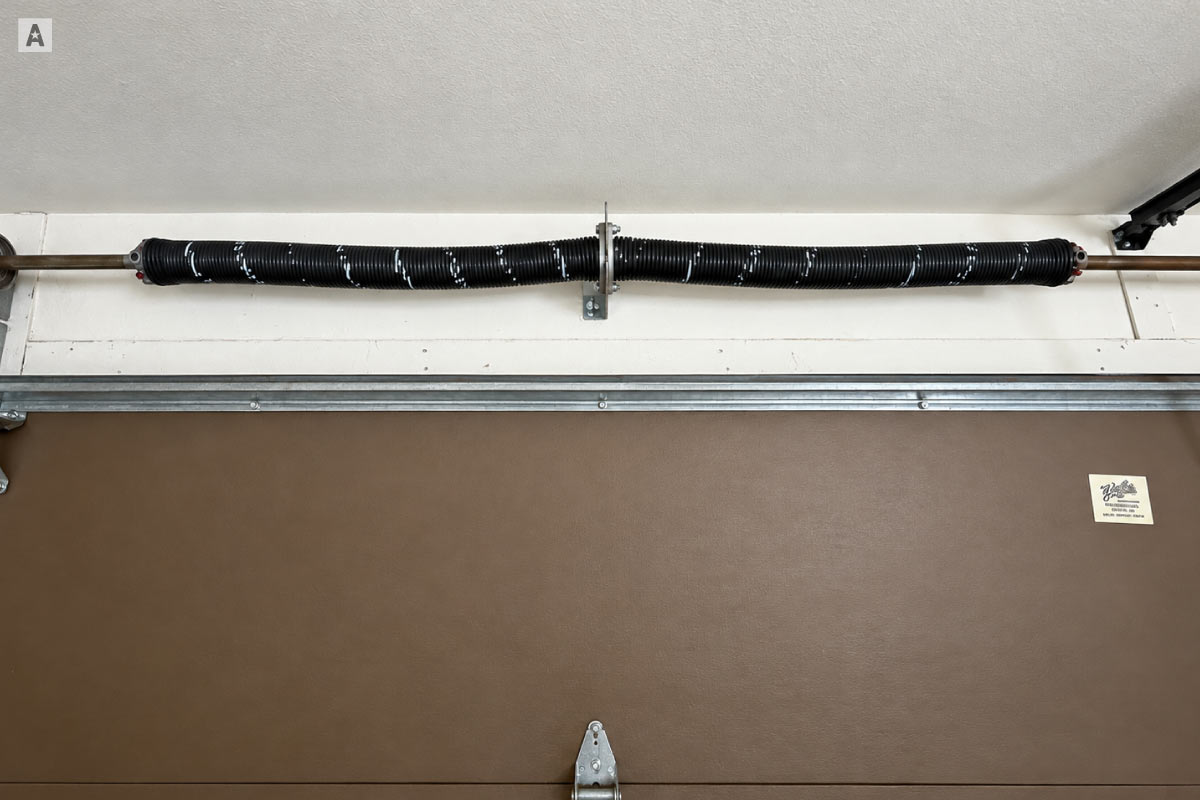
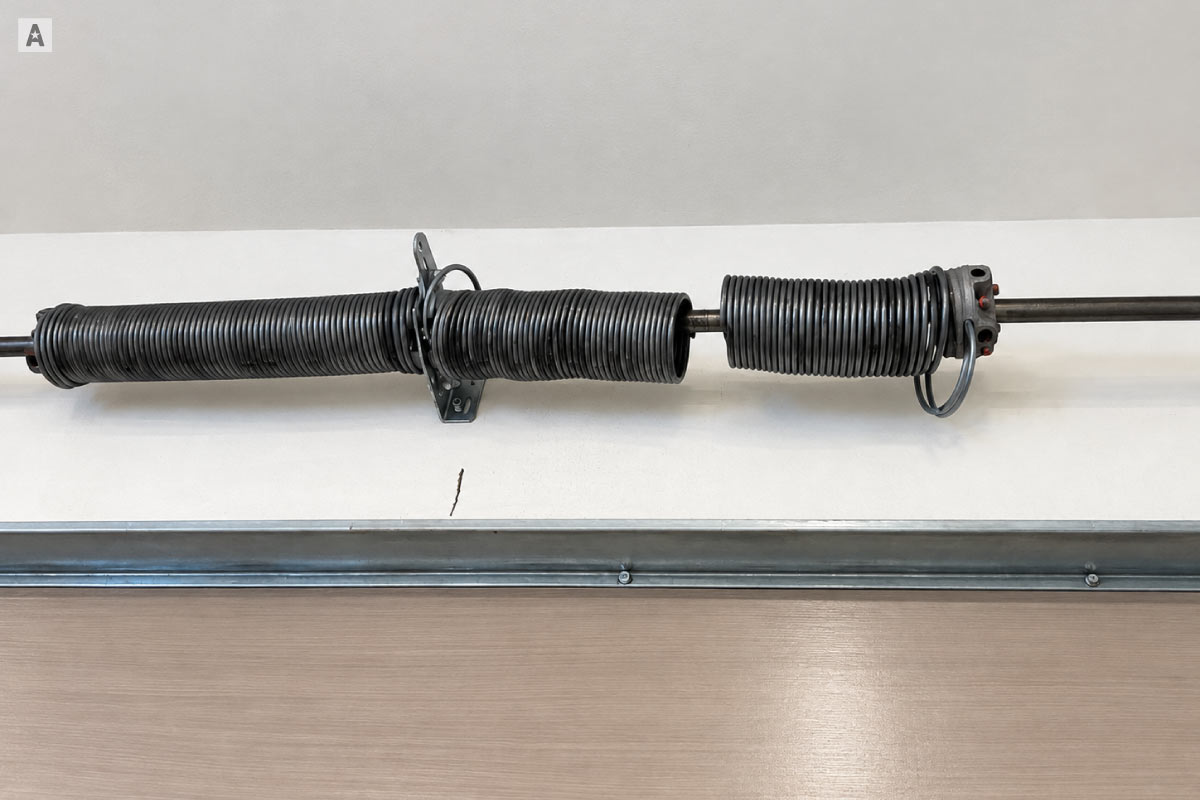
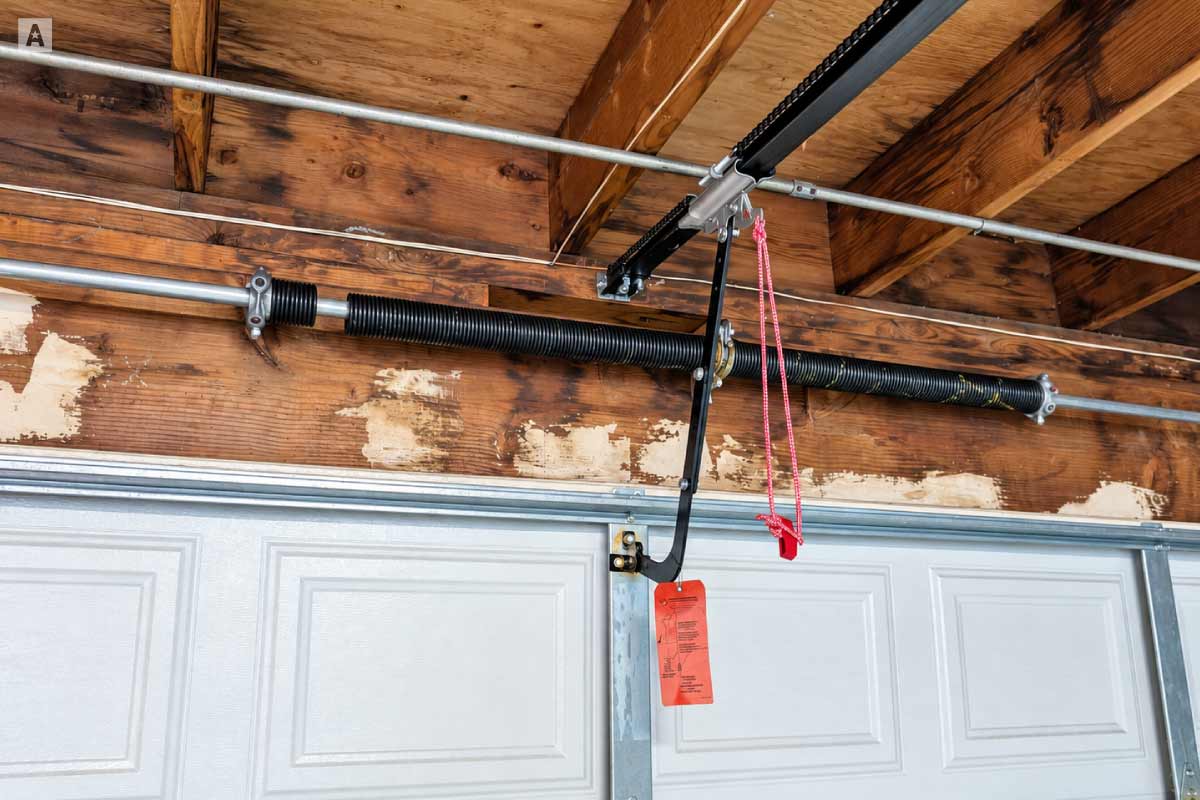
- Torsion Springs: These are typically mounted on a shaft above the door. Depending on the setup, the system may use one, two, or more springs along with cables, drums, bearings, and a torsion shaft.
- Extension Springs: These are used on sectional and one-piece garage doors. On sectional doors, the springs usually run above the horizontal tracks. On one-piece doors, they sit along the sides and work with the jamb hardware. On extension-spring systems that use safety cables, we also check the cables and replace or install them when needed.
- Low-Headroom and Rear-Mounted Systems: When there is not much room above the door, the tracks and spring system may be set up differently to fit the space. Some low-headroom doors keep the spring near the opening, while rear-mounted systems place the spring farther back in the garage.
- Enclosed Spring Systems: Systems such as Wayne Dalton TorqueMaster hide the springs inside a tube, so you may not be able to see when one breaks. When that happens, the system is often converted to a standard torsion setup.
What Can Vary From One Spring Service to Another
Not every broken spring is handled the same way. The age and condition of the existing springs and supporting hardware tell us whether we’re dealing with a straightforward replacement or something more involved.
- Replacing One or Both Springs: If a two-spring system has one broken spring, we look at the age, condition, and specifications of the remaining spring before recommending whether one or both should be replaced.
- Spring Ratings: Some garage doors can use different spring ratings. We’ll explain how many open-and-close cycles each spring is rated for and what it costs, so you can choose what fits your budget.
- Single- to Dual-Spring Conversion: Some single-spring torsion systems can be converted to two springs when the garage door and space above it allow it.
- Spring System Conversion: Enclosed or proprietary systems can be converted to a standard torsion setup when the original system is no longer practical to service.
Garage Door Spring Replacement Cost
Most garage door spring replacements cost between $300 and $800. That price includes the replacement spring and labor for a standard spring replacement.
Where the price falls within that range depends on the spring setup, the size and weight of the door, and whether anything else needs to be replaced. The table below gives you a better idea of what can affect the final price.
| Spring Service | Typical Price Range | What to Know |
| Standard spring replacement | $250–$650+ | Most common torsion and extension spring jobs on one garage door fall here. The spring size, number of springs, and door size determine where the price falls within the range. |
| Higher-cycle springs | Usually higher than standard | They cost more upfront but are designed to last longer. |
| Heavy, tall, or custom doors | Upper end or above | These doors may need larger, multiple, or custom springs. |
| Low-headroom or rear-mounted systems | Varies | Harder-to-reach springs and less common setups can make the repair more involved and increase the cost. |
| Enclosed-system conversion | Quoted separately | Conversion usually requires a shaft and other torsion hardware, not just springs. |
| Additional damaged hardware | Added when needed | Cables, drums, bearings, brackets, or other parts are priced separately if they need replacement. |
If you’re comparing spring quotes, make sure you’re comparing apples to apples. Ask how many springs are being replaced, what type of spring is included, whether parts and labor are included, and whether other hardware is part of the quoted price.
What Else Takes the Hit When a Spring Breaks?
A broken spring can cause problems elsewhere in the system, especially if the door keeps being used after the spring breaks.
- Garage Door Opener: The opener is not designed to lift the full weight of the door by itself. Trying to keep using it with a broken spring can wear out or damage gears, sprockets, the trolley or carriage, and the opener arm.
- Cables and Drums: When there’s no tension from the spring, a cable can become loose or come off the drum. The door may sit crooked, bind, or become stuck partway.
- Top Door Section: If the opener keeps pulling on a garage door that has become too heavy, the opener arm or mounting bracket can damage the top section of the door.
- Other Spring Hardware: Bearings, brackets, the torsion shaft, and related hardware can also wear with use or become damaged. Problems in these areas are often discovered while working on the spring or torsion system.
One broken spring doesn’t have to turn into a shopping list of new parts. But if another component is already near the end of its life, that may be the right time to replace it, since the system is already disassembled.
The Work Behind the Door
Between the first look and the final test is the part most people never see. Here’s what gets the door where it should be.
Ready to Schedule Service?
Call 714-274-7655 to schedule same-day service or send a request using the form.
Request Service
Tell us what’s happening and how to reach you.


